Let’s get real about hormone health.
When your hormones go sideways, you feel it everywhere—dragging through your day, snapping at people, wide awake at 2 a.m., zero interest in sex, stressed out for no reason. It messes with every part of your life, and when you finally try to get some answers, you hit a wall. Standard blood or saliva tests? Most of the time, they don’t tell the whole story. You leave the doctor’s office more confused than when you walked in.
That’s why so many people turn to the DUTCH Test. It goes deeper, showing you how your hormones actually work—not just the numbers, but what your body’s doing with them. Plus, you don’t have to schedule a lab visit or deal with needles – instead, you do this one at home.
In other words, if you’ve ever heard, “Your labs look normal” but you know something isn’t right, the DUTCH Test can help you to finally uncover what’s really been going on.
Of course, the biggest question is almost always: Will your insurance pay for it? We’ll get into what the DUTCH Test is, what it costs, how insurance handles it, and the options that you have.
So, what’s the deal with the DUTCH Test?
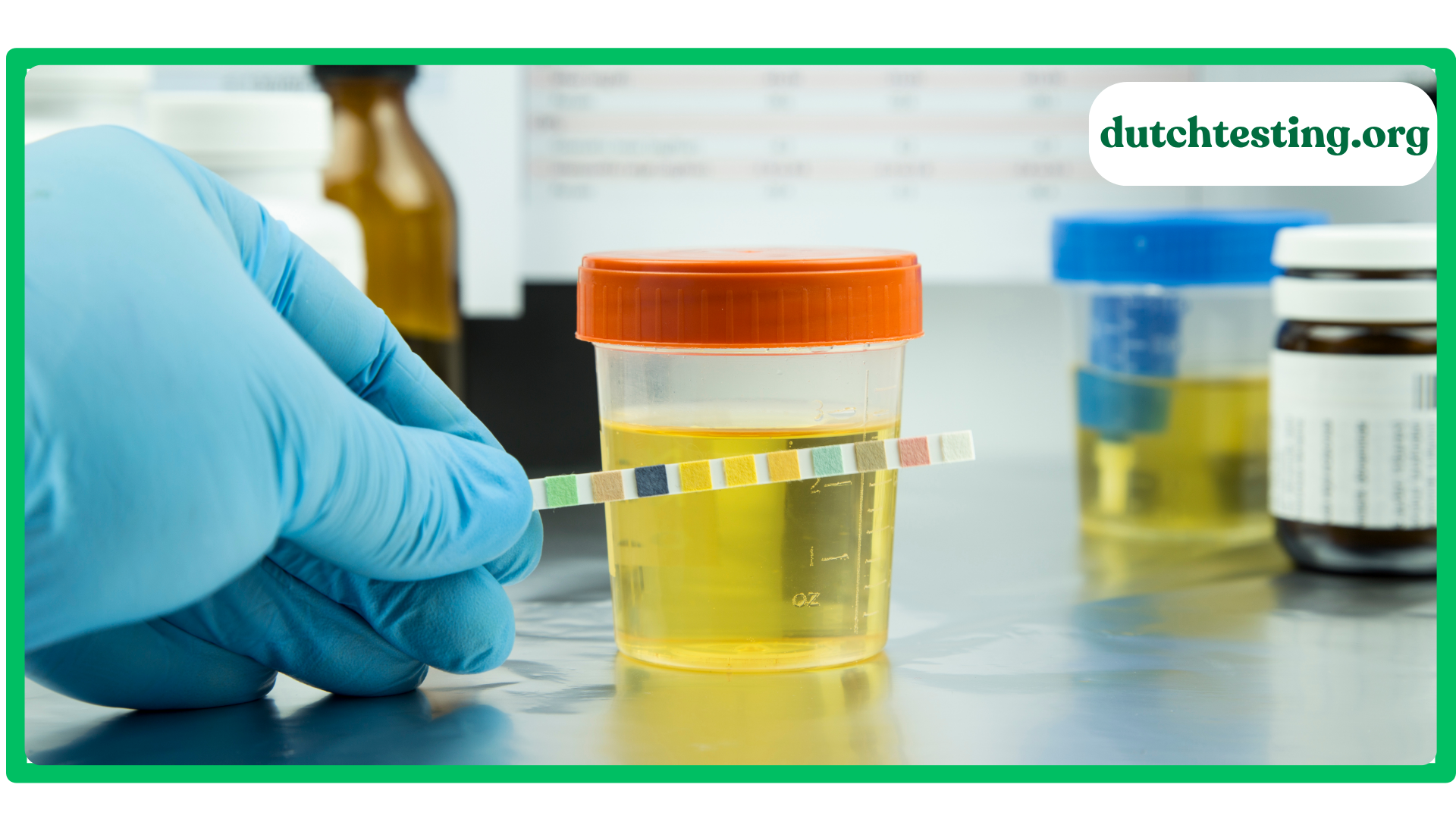
DUTCH stands for Dried Urine Test for Comprehensive Hormones. It’s not like the usual tests that just spit out a hormone level; rather, this test shows how your body’s actually breaking down and using those hormones.
No lab coat, no blood draw. You just collect urine samples on special paper right at home, mail them off, and then you get a detailed report about your hormone patterns.
Here’s what you find out:
- Your main sex hormones: estrogen, progesterone, testosterone
- Stress hormones, like cortisol—plus how they change during the day
- How your body breaks down and clears out hormones
- Subtle things regular tests miss, like odd imbalances or strange metabolite buildups
This is why the DUTCH Test is such a hit with practitioners – it’s not just about how much hormone you have, but instead, it’s about what your body’s actually doing with it. This level of detail can completely change the game.
How much does it cost?
It depends on which panel you choose, but here’s what most people pay:
- Basic panels: $299–$400
- DUTCH Complete: around $499
- DUTCH Plus: $600 or more
- Specialty panels (like tracking your whole cycle): $500–$700+
While the price of the DUTCH Test can be on the higher end at times, it’s worth remembering that getting real answers after years of feeling ignored or stuck makes it worth it. And if you’ve spent forever bouncing from doctor to doctor, it’s more than worth considering.
Does insurance cover the DUTCH Test?
In most cases, no insurance won’t pay for the DUTCH Test. Here’s why:
- The lab doesn’t bill insurance, and most plans count the DUTCH Test as out-of-network. Even with a doctor’s order, you usually pay upfront.
- Insurance companies stick to tests that they call routine or medically necessary. The DUTCH Test is still considered a “specialty tool”—lots of integrative and functional medicine providers use it, but it’s not mainstream yet.
Just because insurance won’t touch it doesn’t mean it’s not valuable. Sometimes the best stuff in medicine shows up long before insurance catches on.
Can You Use HSA or FSA Funds?
Here’s some good news: a lot of people use their Health Savings Account (HSA) or Flexible Spending Account (FSA) to pay for the DUTCH Test.
These accounts let you use pre-tax dollars on qualified medical expenses, and advanced lab tests like the DUTCH Test usually count. That helps take some of the sting out of the price.
You’ll want to double-check with your plan administrator, but for plenty of people, HSA or FSA funds can help to make the price of a DUTCH Test a lot more doable.
Why Isn’t It Covered?
It’s not just the DUTCH Test—insurance skips over a large number of advanced specialty labs.
Limited Standardization
- Insurance companies want tests to be “standard” – in others, they want to see them in major medical guidelines, backed by significant outside research. The DUTCH Test has solid internal data, and more doctors are getting on board, but it hasn’t quite gone mainstream yet.
Functional vs. Conventional Medicine
- Insurance is built for conventional medicine. Functional testing, meanwhile, takes a deeper dive, hunting for root causes and metabolic details that don’t always fit insurance company checklists.
When Does Insurance Pay?
Getting reimbursed is rare, but it does happen. You’ve got a chance if:
- Your doctor orders the test and explains why you need it
- Your plan covers out-of-network labs
- You pay up front and submit a superbill
Is It Worth It?
This is the real question.
If you’re dealing with tough symptoms—things like weird cycles, brain fog, low energy, mood swings, low sex drive, burnout—and the usual labs haven’t helped, the DUTCH Test can finally give you some answers. It’s a roadmap, not just another “everything looks fine” from your doctor.
A lot of people say they finally feel understood after seeing their results. Instead of hearing “your labs are normal,” they get real insights and a plan—maybe a lifestyle change, nutrition tweaks, or something else.
Insurance rarely covers it, but for many, the clarity and direction are absolutely worth it.
Tips Before You Order
- Find a provider who actually understands how to interpret DUTCH results.
- Ask if you can use your HSA or FSA.
- Double-check your insurance if you want to try for reimbursement.
- Be ready to take action—the test is most helpful when you have expert support.
Bottom Line
The DUTCH Test gives you one of the clearest looks at your hormone health out there. Insurance usually says no, but that’s about their paperwork, not the value of the test.
If you want real answers and a better grip on your hormones, the DUTCH Test is worth considering. With the right support, it can turn confusion into a clear plan—and that kind of insight can totally change your health.