Lately, everyone seems to be talking about next-level hormone tests— with the DUTCH Test in particular being one that pops up a lot. It’s one that has a lot of people curious…but what’s the deal with it? How’s it different from all those regular hormone tests you’ve probably heard about?
And the real kicker: is it even worth your time?
Let’s clear things up—what the DUTCH Test does, how it works, what you can find out, and who gets the most out of it.
What Is the DUTCH Test, Anyway?
DUTCH stands for Dried Urine Test for Comprehensive Hormones. It’s not your average hormone checkup. Instead of just telling you your hormone levels right now, it digs deeper, showing how your body makes, uses, and breaks down hormones over the course of the day. Precision Analytical Inc. came up with the test, and it gives both you and your doctor way more detail than a typical test ever could.
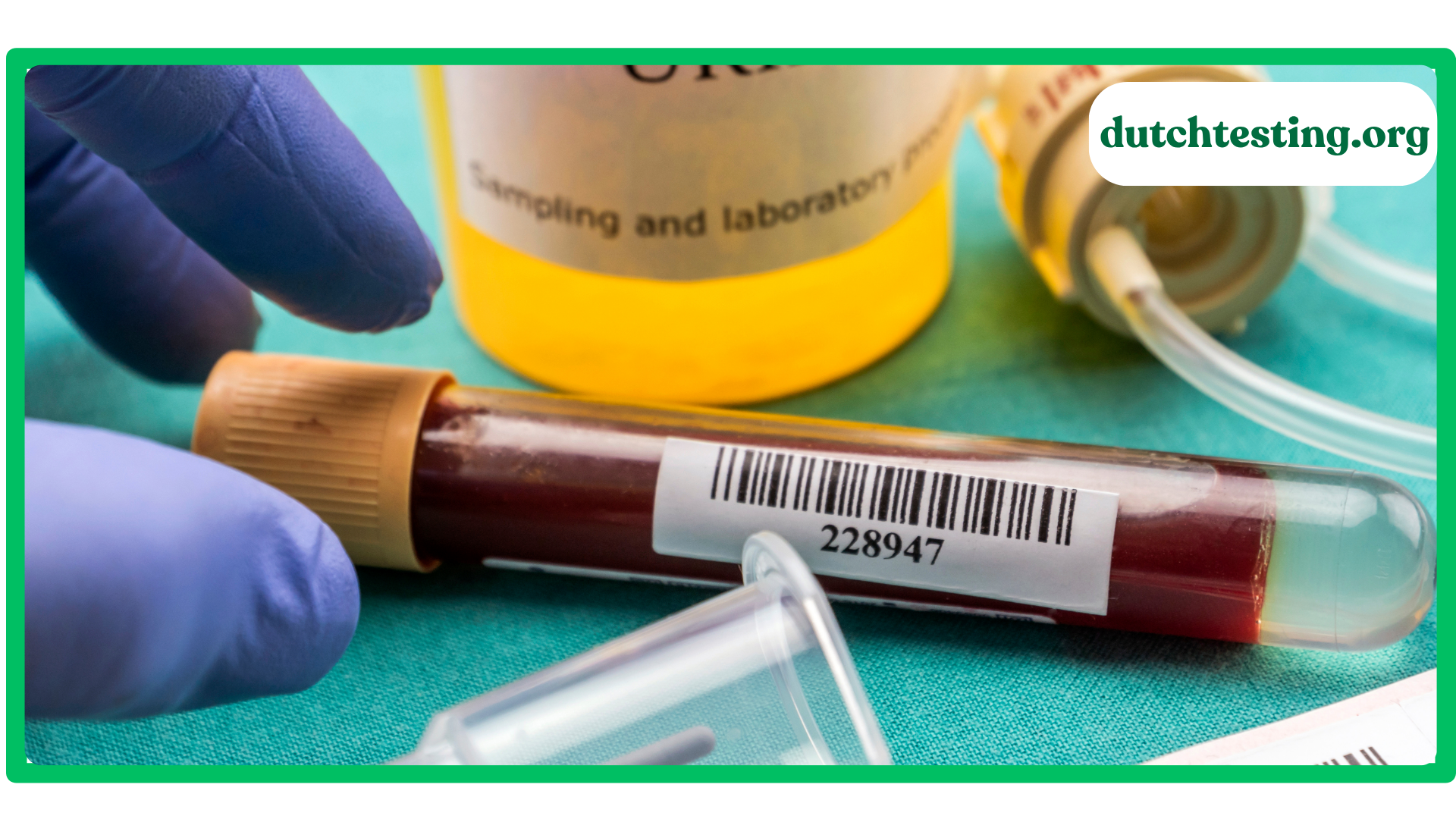
Most blood work? You get one reading at one moment. That’s it. But the DUTCH Test? You’ll collect several dried urine samples at home throughout the day. No needles, no waiting rooms—just you and some filter paper strips in your own bathroom. Because you take samples at different times, the test catches the natural ups and downs, not just a one-off snapshot.
How Does the DUTCH Test Work?
Here’s what actually happens:
- First, you talk with a licensed healthcare provider (usually online) to see if the test even makes sense for you.
- If you’re in, they’ll send you a kit. You collect a few urine samples at home—super simple, no fuss.
- You mail your samples to a certified lab. There, they use advanced gear (like LC-MS/MS) to analyze your hormones and the stuff your body makes as it processes them.
- When your results come in, your provider walks you through what it all means and helps you figure out any next steps.
The DUTCH Test doesn’t just show what hormones are in your system right now—it looks at all the breakdown products, too. The end result of this is, you get a much clearer view of how your body is actually handling hormone balance, not just the headline numbers.
What Does the DUTCH Test Actually Measure?
Depending on which panel you pick, this test covers a lot. Here’s what it checks out:
Sex Hormones:
- Estrogens (estrone, estradiol, estriol)
- Progesterone
- Androgens like testosterone and DHEA-S
Adrenal Hormones:
- Cortisol and cortisone
- How your cortisol levels rise and fall throughout the day
Metabolites and Other Markers:
- Hormone metabolites (so you see how your body breaks down hormones)
- Organic acid markers
- Melatonin (yep, the sleep hormone)
- Some nutritional and metabolic clues, like B-vitamin metabolites and signs of oxidative stress
With all this info, doctors get a much bigger, clearer picture of your hormone health than they’d get from just blood or saliva alone.
Why Digging Deeper Into Hormones Actually Matters
Most hormone tests just take a single blood sample. One shot, one number, and that’s it. It’s not useless, but let’s be real—it leaves out a lot. For example:
- You can’t see how your cortisol rises and falls over the whole day
- You miss whether your body’s really clearing hormones like it should
- You might not catch whether your adrenal and sex hormones are actually working together (or clashing)
The DUTCH Test does things differently. You collect samples at different times, so you see the full picture—highs, lows, all the messy in-between stuff. That extra detail is a game-changer if you’re wrestling with adrenal issues, menopause or perimenopause shifts, or just long-term stress. It’s like having a full map instead of a single spot on the page.
DUTCH Test Options: What Can You Get?
Thinking about trying DUTCH testing? You’ve got choices:
- The DUTCH Complete: This one covers all the bases—sex hormones, adrenal hormones, cortisol patterns, and their metabolites.
- DUTCH Plus: Everything in the Complete, plus saliva samples to check your Cortisol Awakening Response (CAR).
- Cycle Mapping: Perfect for women who want to track hormone changes across their entire cycle.
Not sure which one fits? Your doctor can walk you through it and match the right test to your symptoms and history.
Who Really Needs the DUTCH Test?
So, who benefits most? Here’s where it makes a difference:
-
People With Confusing Hormone Symptoms
Always tired, mood all over the place, gaining weight for no reason, can’t sleep, periods acting up—if that sounds familiar and regular labs say you’re “fine,” the DUTCH Test can dig up what’s actually going on.
-
Anyone Worn Down by Stress or Fatigue
Chronic stress, constant exhaustion, trouble sleeping—these often point to adrenal issues. DUTCH tracks your cortisol rhythm and shows how your body’s handling the pressure.
-
Folks on Hormone Replacement Therapy (HRT)
If you’re on HRT, this test helps your doctor dial in your treatment. You’ll see exactly how your body’s reacting, so you’re not just guessing.
-
Women in Menopause or Perimenopause
Hormones get wild during these years, and the symptoms can really throw you. DUTCH makes it easier to spot what’s shifting and helps your doctor come up with a plan that actually fits you.
-
People Dealing With Fertility Problems
If getting pregnant isn’t happening and no one knows why, hormones are often the reason. The DUTCH Test gives a deeper look at what’s standing in the way of ovulation or reproductive health.
-
Anyone Who Just Wants to Know
Even if you feel fine, maybe you’re curious about your hormone health. This test can pick up details that regular blood work just misses.
Why Choose the DUTCH Test?
A few things make it stand out:
- You do it at home. Skip the clinic visits.
- It’s detailed. You get info on hormone levels, how your body breaks them down, and how they shift during the day.
- It’s useful for ongoing care. Doctors use it to fine-tune HRT or make real lifestyle recommendations.
- The science is solid. The lab uses advanced LC-MS/MS technology, so you get accurate results.
What to Think About First
It’s not a perfect answer for everyone, so here’s what to keep in mind:
- It’s just a tool—only a qualified clinician can really interpret the results in context.
- It’s pricier than standard blood tests, and insurance might not cover it.
- If you’re on certain hormonal birth control, the test mainly shows your natural hormones or bioidenticals—not all synthetic hormones show up.
Should You Try the DUTCH Test?
If you’re stuck with hormone problems—fatigue, mood swings, weird sleep, fertility struggles—and standard tests haven’t helped, the DUTCH Test can give you a much clearer view. It’s especially good if you want to see how your hormones work across an entire day and want a treatment plan that’s actually made for you.
As always, talk to your doctor. They’ll help you make sense of the results and figure out what fits with your health goals. In the end, the DUTCH Test gives you some of the most detailed at-home hormone testing out there. It just might be the missing piece you’ve been searching for.