If you’re slogging through your days—tired for no reason, mood all over the place, your period acting up, or you just can’t shake that feeling something’s off with your hormones—you’ve probably heard about the DUTCH Test.
Everyone’s talking about it right now. People say it finally explains what’s really going on with their hormones. But let’s be honest: the internet’s packed with online clinics and telehealth “experts…” and the sad truth is, you can’t trust all of them.
So how do you sort out the real deal from the noise? Let’s break it down. Here’s what the DUTCH Test actually is, how to find a legit provider, what red flags to look for, and how to pick someone you actually trust.
1. What’s the DUTCH Test, Anyway?
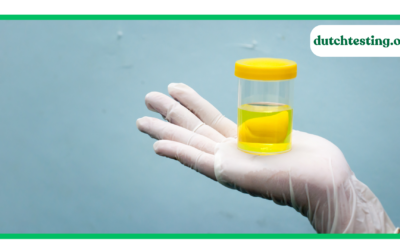
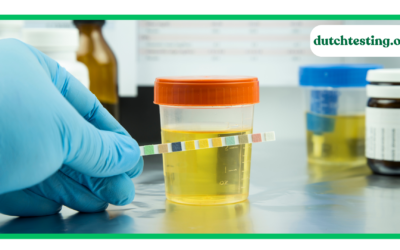
Think of it like this: instead of a quick blood draw or a one-off saliva test that just gives you a snapshot, the DUTCH Test (Dried Urine Test for Comprehensive Hormones) tracks your hormones all day long. You collect urine samples at home, pop them in the mail, and get a much more detailed picture of how your hormones act throughout the day.
The company behind it, Precision Analytical, Inc., built the DUTCH Test to show more than just numbers. Instead, it allows you to see the actual patterns—when your hormones rise and fall, and how your body processes them. It’s useful for spotting things like weird cortisol spikes, or seeing how you handle estrogen, testosterone, and progesterone. Some versions even cover melatonin and a few organic acids, so you get insight into your sleep and metabolism, too.
2. Why You Need a Real Provider
This isn’t just for curiosity’s sake. Hormone testing can totally change your treatment plan, so you want results you can trust—and someone who knows what they’re doing.
Here’s why that matters:
- You need context. Without someone who understands hormones, your results might as well be gibberish. Worse, you could get bad advice.
- Collecting samples the right way is everything. If you mess up, or the lab is sketchy, your results are useless.
- Watch out for hype. Some places make wild claims or try to sell you pricey supplements you don’t need, with no science to back it up.
Doctors still argue about when to use the DUTCH Test and how to interpret it. That’s why you need a provider who sticks to facts—not guesses or empty promises.
3. Go Straight to the Official DUTCH Website
Honestly, the simplest way to avoid scams is to start at the source: DutchTest.com, the official site from Precision Analytical.
Here’s what you get:
- A patient portal where you can order kits, get clear instructions, and find educational resources that are actually helpful.
- A directory of licensed providers who actually use DUTCH data in their practice.
- Detailed info about all the test panels—DUTCH Complete, DUTCH Plus, Cycle Mapping, and more—so you can figure out what fits your situation.
If you start with the official site, you know you’re dealing with people who actually know what they’re doing. You cut out the guesswork and dodge the scams.
4. How to Tell If an Online DUTCH Test Service Is Legit
Ordering a DUTCH Test online is pretty easy now, but finding someone you can actually trust? That’s where things get tricky. Here’s what to look for:
- Real Medical Oversight
A legitimate provider connects you with a real medical professional—MD, DO, NP, or PA—who actually looks at your health history and symptoms, not just your lab numbers. If no one reviews your case, run the other way.
- Certified Labs
Any provider worth your time uses certified labs. Always check for this before you pay.
- Upfront Pricing and No Games
You should see exactly what each test costs and what’s included—no sketchy “call for price” tricks. Most panels run between $399 and $700, depending on how in-depth you go.
- Clear Instructions and Real Help
Since collecting your samples right is so important, good providers give you step-by-step directions and real support if you need it.
One online service that ticks all these boxes is DutchTesting.org. They do online consults, ship the kit straight to your door, and make sure a clinician goes over your results with you. It’s simple and you get real expert advice, not just a printout.
Bottom line: don’t just click the first ad you see. Take a breath, start with official sources, and make sure there’s a real medical pro involved. Your hormones—and your peace of mind—deserve that.
5. How to Vet an Online Hormone Test Provider
Let’s be honest—not every company offering online hormone tests is worth your trust. Before you spend a dime, here’s how to spot the ones that actually have your back:
- Check Their Credentials
Is there a real, licensed healthcare pro on the team? If all you see is a “wellness coach,” that’s not good enough.
- See How They Review Your Results
Getting a list of numbers isn’t enough. The best providers break down what your results mean and give you real advice on what to do next.
- Look for Real-World Feedback
Read patient reviews to see what the experience is actually like. Don’t just believe every glowing testimonial—some of them are way too perfect.
- Ask About Data Security
Your health info should be protected. In the U.S., look for HIPAA compliance. If they avoid talking about privacy or seem shady, just walk away.
- Figure Out the Real Costs
Know exactly what you’re paying for—what’s included, how fast you’ll get results, and whether a professional will go over them with you.
6. Warning Signs of a Bad Provider
Watch out for online DUTCH test companies that:
- Leave you hanging with no healthcare professional to explain your results.
- Hand out diagnoses or treatments without any medical oversight.
- Push weird supplements or sneak in extra fees.
- Stay sketchy about where your sample goes or who’s running the lab.
If a company just wants to sell you stuff instead of actually helping, you can’t trust the process. It’s not just annoying—it makes everything more confusing.
7. Tips for Getting It Right Online
Here’s how to pick a solid DUTCH Test provider:
1. Start with trusted sources, like DutchTest.com, for info and lists of real providers.
2. Choose companies that use licensed clinicians to explain your results.
3. Double-check their lab partners and privacy policies.
4. Read reviews from actual customers, and don’t be shy about asking questions before you buy.
5. Avoid anyone making wild promises or trying to pressure you into a sale.
Conclusion
You don’t have to turn into Sherlock Holmes to find a trustworthy DUTCH Test provider online. Stick with established companies, make sure there are real healthcare professionals involved, and avoid anyone who seems more interested in your wallet than your well-being.
The DUTCH Test can give you real insight into your hormones—but only if a qualified expert helps you make sense of it all. Take your time, ask good questions, and pick a provider who actually cares. Your hormones matter. Don’t cut corners.