Over the past few years, hormone testing has moved way beyond the usual bloodwork. One test that often gets a lot of attention is the DUTCH Test (that stands for Dried Urine Test for Comprehensive Hormones).
Many in the functional medicine world swear by it, claiming that it’s both deep and convenient. On the other hand, some folks aren’t convinced and wonder if it’s really as useful or accurate as the standard tests.
So, is the DUTCH Test actually worth it? Does it get the job done?
Let’s dig in and find out together.
What Is the DUTCH Test?
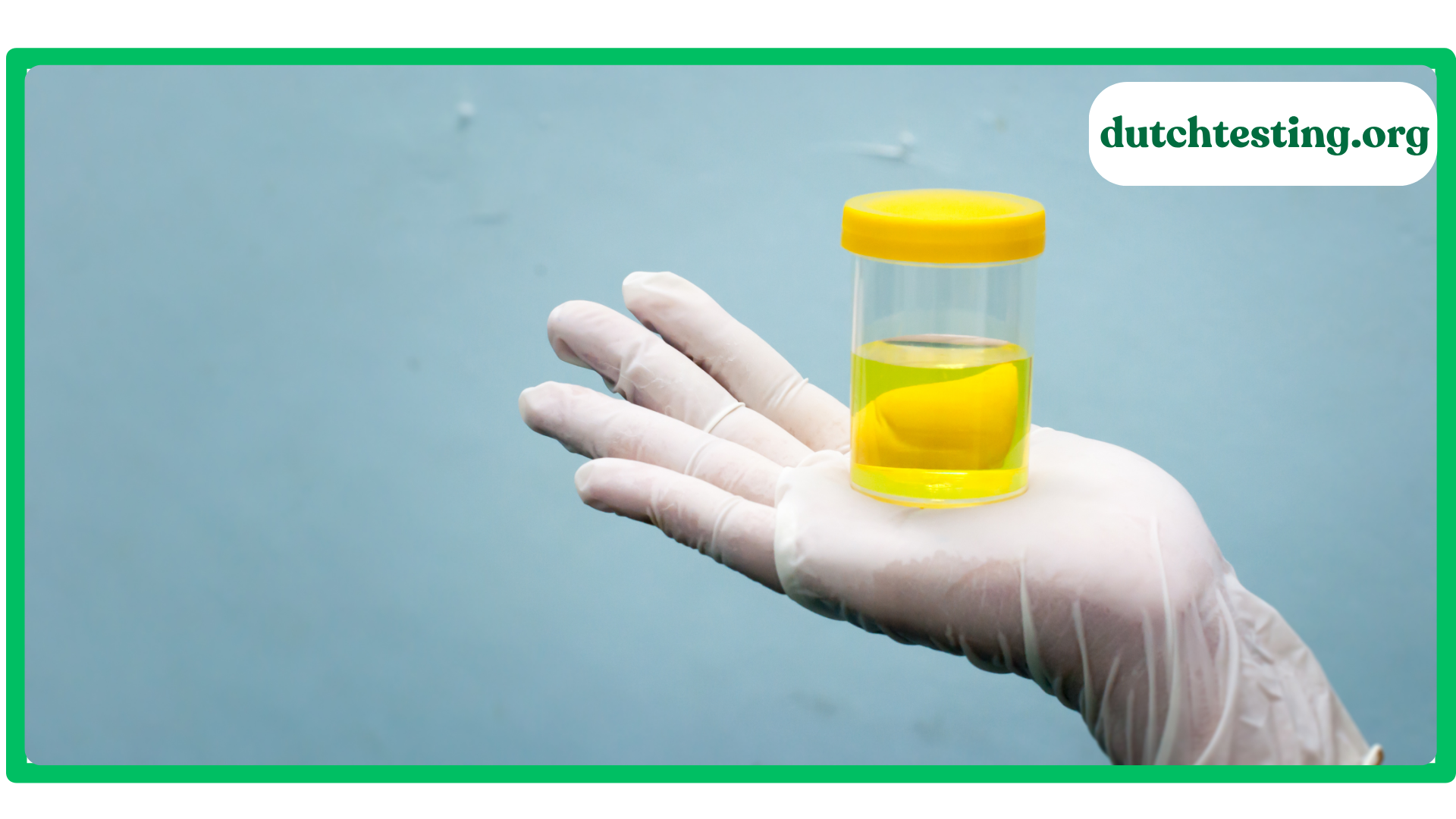
The DUTCH Test is basically a hormone panel you do at home. Instead of going to a lab for a blood draw, you collect a few dried urine samples on special paper during the day. This way, you don’t just get a single snapshot of your hormones, but instead, you get a look at how they’re produced, how your body breaks them down, and how they change throughout the day.
According to the company behind the test, it gives doctors a detailed picture of both adrenal and sex hormones. Here’s what it measures:
- Estrogen and its metabolites
- Progesterone
- Testosterone and other androgens
- Cortisol and other adrenal hormones
- Melatonin
- Organic acid markers that point toward metabolic and oxidative stress
When it comes to selecting your DUTCH Test, generally, you’ve got two main choices:
- DUTCH Complete – This covers adrenal and sex hormones, plus their metabolites.
- DUTCH Plus – Everything in Complete, plus it checks your cortisol awakening response using saliva, which helps map out your stress hormone patterns.
Usually, a clinician or hormone specialist orders the test, and then it shows up at your doorstep for you to collect samples on your own time.
How Does the DUTCH Test Work?
Here’s how it goes: you collect several small urine samples throughout the day on those special filter papers; then you mail them to the lab. There, they use advanced tools like LC-MS/MS to measure your hormones and their metabolites.
Because you’re collecting samples at different times of the day, the DUTCH Test can:
- Capture your hormones’ daily rhythms (like how your cortisol rises and falls)
- Show not just the hormone levels, but how your body processes them
- Reveal details about hormone breakdown pathways that blood or saliva tests often miss
Hormones naturally go up and down all day, and through your cycle. With this approach, you spot patterns that regular tests might miss entirely.
Why Do Supporters Think It’s Worth It?
- More Detailed Info
Unlike a single blood test, the DUTCH Test tracks hormone production and metabolism over time. That gives practitioners a much fuller picture of what’s going on with your hormones and adrenal health.
- You Do It at Home
No needles. No appointments. Just collect the samples at home and mail them in. For a lot of people, that’s a huge relief.
- Fits Functional Medicine
If you’re working with a functional or integrative medicine provider, they’re usually looking for root causes—things like metabolic imbalances or detox issues. The DUTCH Test’s in-depth metabolite data can help spot those deeper patterns.
- Backed by Research
The company that makes the test, Precision Analytical, points to peer-reviewed studies supporting dried urine hormone testing. There’s solid evidence showing that dried urine results line up well with traditional 24-hour urine collections for many hormones. That’s a pretty strong foundation.
Let’s Talk About Accuracy and Reliability
When you’re trying to figure out if a hormone test like the DUTCH Test really works, you have to look at two things:
- First, does the test actually measure what it says it does? That’s analytical validity.
- Second, do those measurements actually help improve your health or change your care? That’s clinical utility.
Analytical Validity
The science here looks solid. Studies comparing dried urine hormone testing with regular urine collections show they usually line up closely, especially for steroid hormones. Labs running DUTCH tests also have CLIA certification, which means they meet federal standards for accuracy. That’s a good sign.
Clinical Utility
This is where people don’t always agree. Fans of the DUTCH Test say it gives a much clearer look at hormone metabolism and patterns—stuff that regular tests can miss, like adrenal rhythms or complicated hormone imbalances. But critics push back, saying that even if the numbers are accurate, they don’t always change what you do for a patient. That said, however, when a skilled provider interprets the results, the deeper insights can absolutely lead to more personalized, targeted care, meaning that in the right hands, the DUTCH Test is a powerful tool.
Pros:
- Gives a detailed hormone profile, including metabolites.
- Tracks hormone rhythm over time, not just a single snapshot.
- You can do it at home—super convenient.
- Labs are highly certified and careful about accuracy.
- Sometimes catches problems that standard tests miss.
Cons:
- Not considered the standard of care everywhere.
- Insurance usually won’t pay for it.
- You really need a professional who understands hormone testing to interpret it.
- How useful it is can depend a lot on the patient and the doctor’s approach.
When Is the DUTCH Test Most Useful?
This test really shines if you’re dealing with ongoing hormone-related issues—like fatigue, mood swings, or weird menstrual cycles—that regular blood tests haven’t explained. It’s also helpful if you suspect adrenal issues or want to monitor hormone therapy more closely. The extra data on metabolites and daily hormone rhythms gives doctors more to work with, letting them fine-tune your treatment.
So, Is the DUTCH Test Worth It?
The DUTCH Test is accurate when processed by certified labs, and it digs deeper than basic blood or saliva tests. But its real value comes down to how those results are used—if they actually change your treatment or give your doctor new insights.
Bottom line: The DUTCH Test makes sense if you want a fuller picture of your hormones, especially if regular tests haven’t helped. And the best results come when you combine DUTCH testing with a doctor’s evaluation, a physical exam, and other lab work.
Thinking about the DUTCH Test? Talk it over with a healthcare provider who really gets hormone testing. That way, you can figure out if it actually fits your needs and health goals.