It’s hard to believe that only several years ago, testing for a viral infection like the flu or COVID-19 required a trip to a doctor’s office or other urgent care setting. Now, at-home testing requires a simple kit designed exclusively for patient use. What if hormone testing was just as accessible? The good news: it is. Meet the DUTCH test, or Dried Urine Test for Comprehensive Hormones. The DUTCH test offers an alternative, comprehensive approach to traditional blood or saliva tests, providing a powerful snapshot of your body’s inner workings.
What Are Hormones?
So what are hormones, and why should we measure them? Hormones are chemical messengers that are produced by the organs of your endocrine system. They travel through the bloodstream until they reach their targets, or receptors, where they deliver their messages and regulate nearly every bodily process. Some common hormones and the organs that produce them are:
- Pancreas: controls blood sugar levels via the hormone insulin
- Thyroid: controls metabolism and heart rate through the hormones T3 and T4
- Adrenals: regulate blood pressure and the stress response with aldosterone and cortisol
- Pineal gland: regulates the sleep-wake cycle (Circadian rhythm) with melatonin
- Ovaries: regulate the menstrual cycle with estrogen and progesterone
- Testes: affect libido, energy levels, muscle mass, and body hair through testosterone
Hormone testing has become popular in recent years, as hormone imbalances can cause a number of symptoms and disorders such as anxiety, unexplained weight gain or loss, fatigue, altered libido, and skin problems.
How Are Hormone Levels Tested?
Most hormone levels are tested via blood sample, but can also be tested from saliva or urine samples. Like many medical tests, each method has pros and cons.
Saliva Hormone Testing
Compared to blood tests, saliva testing is much less invasive. Samples can be collected in a healthcare provider’s office or at home, and usually just require spitting into a collection tube. However, there are drawbacks associated with saliva tests. First, they are easily contaminated. Food or drinks other than water, smoking, or chewing gum can alter collected samples, and results may not accurately reflect hormone levels. Second, they cannot be used to test all hormones. While saliva tests are ideal for hormones like cortisol or estradiol (a version of estrogen), they have not been shown to accurately reflect levels of thyroid hormones circulating in the body.
Blood Hormone Testing
Blood testing is the most invasive form of hormone testing as it requires a blood sample, which is usually collected in a healthcare provider’s office by a trained professional. Some kits for home use require a small sample from a finger prick; however, these come with a higher chance of inaccurate results and sample contamination. Furthermore, blood samples capture hormones that are circulating in the bloodstream and do not provide information on how the body is metabolizing hormones.
Urine Hormone Testing
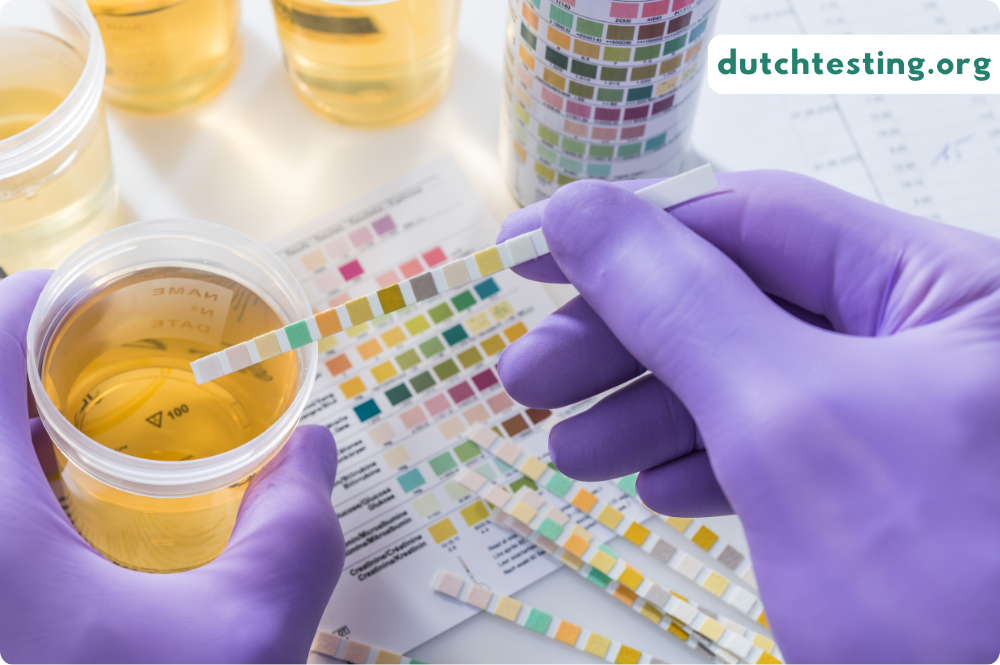
When it comes to capturing information about how your body is metabolizing hormones, urine samples are often the best option. Traditional urine tests use liquid samples, while newer methods can assess samples that have dried. Both methods are reliable, but the use of dried samples significantly reduces storage and transportation complications associated with refrigeration requirements. The DUTCH test uses urine samples that have dried on filter paper, preventing contamination from mold or bacteria, and making samples easy to ship for analysis.
What is Hormone Metabolism & Why Does it Matter?
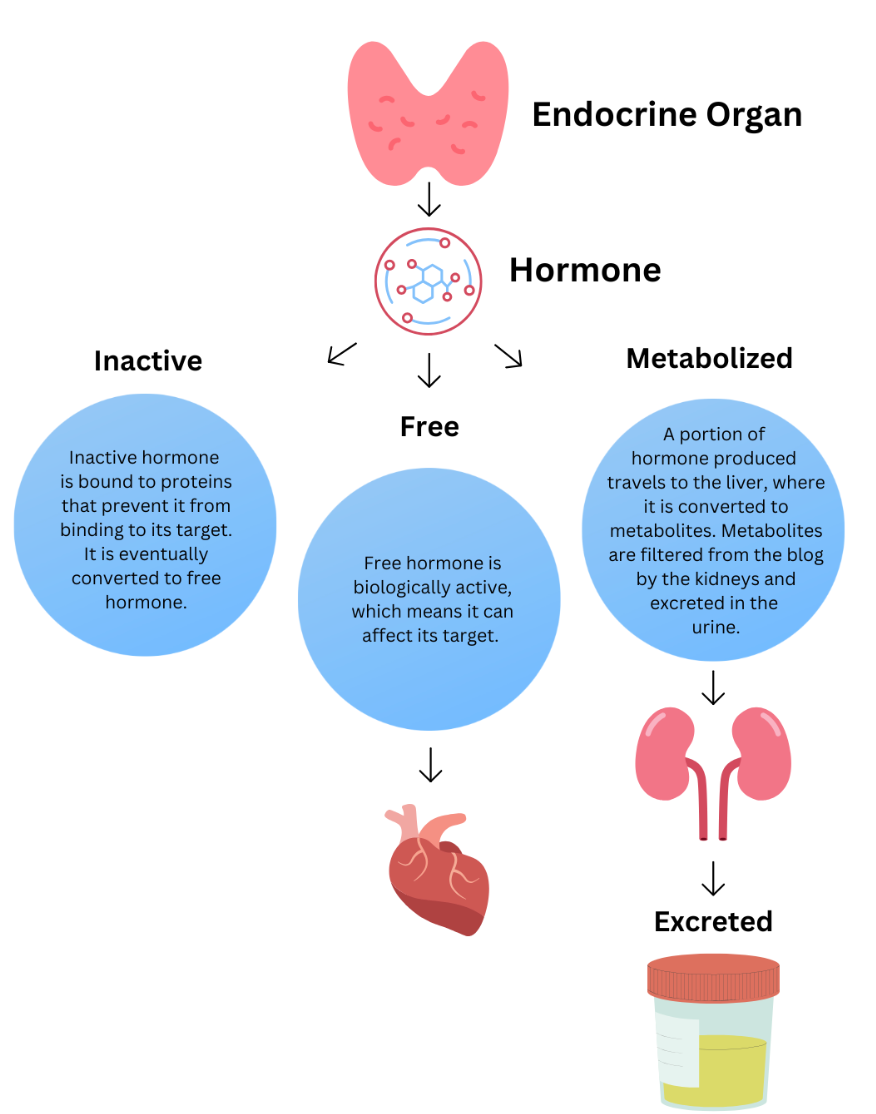
After hormones are produced and secreted by their respective endocrine organs, they enter the circulation, or bloodstream. From the bloodstream, hormones meet one of three fates: some become bound to proteins, rendering them temporarily inactive; others remain unbound or “free”–these continue to their target organs–and others continue to the liver, where they are metabolized. The products of this metabolism are called metabolites, many of which leave the body in the urine. The way your body metabolizes hormones can influence:
- Your risk for certain cancers
- Weight gain and anxiety related to chronic stress
- Mood changes
- Skin health
Whereas blood tests are helpful in measuring the amount of hormone in circulation at a specific timepoint, they don’t provide an accurate look at the ‘big picture’ of hormone metabolism. On the other hand, urine tests like the DUTCH test measure both free hormone levels and hormone metabolites, providing powerful insight to hormone metabolism.
What Does the DUTCH Test Measure?
The DUTCH test measures three categories of hormones and metabolism: sex hormones, adrenal hormones, and organic acids, or “OATS”.
Sex Hormones
Sex hormones are hormones produced by the ovaries, testes, and/or adrenal glands. The main three are estrogen, progesterone, and testosterone. Sex hormones regulate functions like sexual maturation (“puberty”), reproduction, and libido in both men and women. Although estrogen is usually considered a “female” hormone, it is all present in men–just in smaller quantities.
The DUTCH test measures numerous sex hormones, including:
- Types of estrogen, including estrone, estradiol, and estriol
- Types of progesterone, including pregnanediol
- Androgens, including testosterone, DHEA-S, and androsterone
Adrenal Hormones
Adrenal hormones are produced by small, triangular organs that sit on top of each kidney: the adrenals. The most commonly known adrenal hormone is cortisol, which regulates metabolism, blood pressure, and the stress response. The DUTCH test measures both cortisol and cortisone, as well as several metabolites.
Organic Acids
Organic acids are byproducts that can provide key information about the body’s metabolism. The DUTCH test measures ten organic acids, including:
- Indican: a marker of gallbladder and pancreatic function
- Quinolinate: an indicator of inflammation, particularly neuroinflammation
- b-Hydroxyisovalerate: reflects whether the body has enough biotin
- Kynurenate: related to how much serotonin is in the body
- Homovanillate: a metabolite of dopamine that may be related to mood disorders
The DUTCH test provides a detailed look at both the body’s production and metabolism of hormones with an easy-to-use home test. By using dried samples, the DUTCH test offers insights that standard blood tests do not. While the DUTCH test does provide key information about the body’s hormonal processes, the results should be used along with your personal clinical history, symptoms, and–depending on each situation–other labs.